
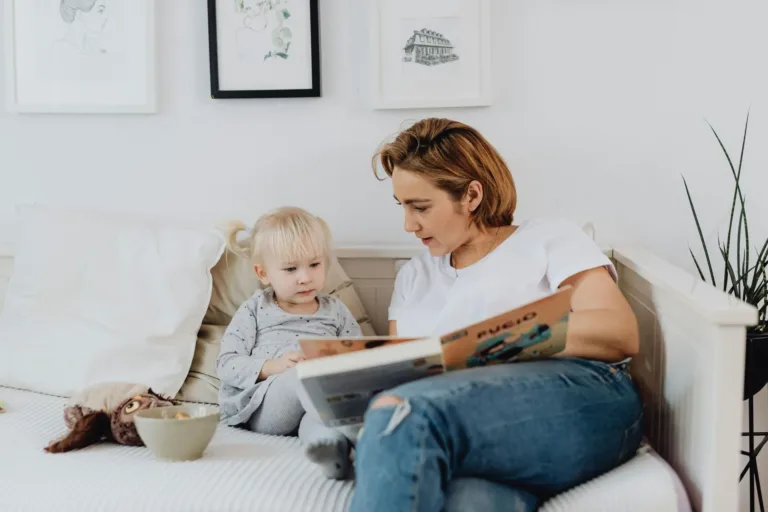
If your child is working on speech and language skills, simple at-home activities can make a big difference. At Terapia Infantil Esperanza in Southern New Mexico, our speech-language pathologists often share practical exercises families can use to help children practice communication in fun, natural ways.
Below are three easy speech exercises you can try at home to strengthen your child’s language, listening, and confidence.
1. Mirror Talk: Practicing Sounds Together
Goal: Improve articulation and awareness of mouth movements.
Sit with your child in front of a mirror so they can see how their mouth, tongue, and lips move when forming sounds. Pick one or two target sounds—such as p, b, or s—and model them slowly. Encourage your child to copy you, watch their reflection, and make silly faces or exaggerated movements.
Try this:
- Practice “speech warm-ups” by blowing kisses, puffing cheeks, or stretching your tongue.
- Turn it into a game: say “Let’s see who can make the biggest smile when saying s-s-s-snake!”
Mirror play helps children visualize speech production and boosts self-awareness—especially for kids who need extra help forming clear sounds.
2. Story Time Chats: Expanding Vocabulary and Comprehension
Goal: Strengthen language understanding and expressive skills.
Reading with your child builds vocabulary, but conversation after reading builds comprehension. After each page or story, pause and talk about what happened. Ask open-ended questions like:
- “What do you think will happen next?”
- “How do you think the character feels?”
- “Can you tell me your favorite part?”
You can also retell the story together using your own words, drawings, or toys. These interactions help children connect words to ideas, improve sentence structure, and express their thoughts clearly.
3. Everyday Labeling: Building Functional Communication
Goal: Increase language use in daily routines.
Turn everyday moments—mealtime, playtime, errands—into opportunities to name and describe things around you. Point to objects and say their names (“This is your cup. It’s red!”), or describe actions (“You’re jumping high!”). Encourage your child to repeat words or fill in the blanks:
- “We’re eating ____.”
- “The car is ____.”
Repetition and labeling help children learn new words naturally and boost confidence using language outside the therapy room.
Why Home Practice Matters
Speech therapy works best when practice continues beyond sessions. Even a few minutes of daily speech-focused play can reinforce your child’s progress and help new skills stick. At Esperanza, our therapists partner with families to provide personalized at-home strategies and track growth together.
Ready to Support Your Child’s Speech at Home?
If you’re looking for speech therapy for children in Las Cruces or Anthony, Esperanza Children’s Therapy is here to help. Our therapists provide engaging, play-based speech sessions and guidance for families to continue progress at home.
Llámanos al (575) 647-3773 o visita aitkids.com/esperanza to schedule a consultation and learn more about how we can help your child thrive.
Recursos Adicionales
Explore these trusted resources for more speech and language ideas:
 English
  Spanish