
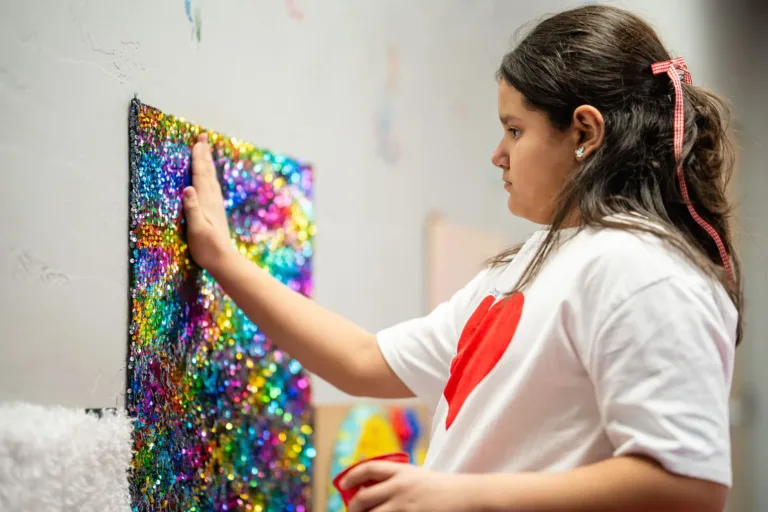
Pediatric Sensory Regulation
Sensory regulation refers to how we process and respond to the world around us through our senses in terms of touch, sight, smell, taste, and hearing. It involves the brain’s ability to register, interpret, and respond appropriately to sensory input from the environment. When the brain receives too much input at once, it can lead to sensory overload, which may cause distress, especially in children.
Why Sensory Regulation Matters for Children
Helping children regulate their sensory input is key to supporting their overall development. Sensory regulation plays a vital role in helping children:
- Calm themselves and manage strong emotions
- Maintain focus and emotional balance
- Communicate more effectively
- Participate positively in play, learning, and social interactions
How to Know If Your Child May Need Sensory Support
Every child is unique, but here are some common signs of sensory challenges:
- Frequently covering their ears in noisy settings
- Avoiding certain textures (in food, clothing, or surfaces)
- Strong reactions to sounds, touch, or light
- Difficulty calming down or becoming easily overwhelmed
- Seeming under-responsive or disengaged from sensory input
If your child displays these behaviors regularly, they may be experiencing sensory dysregulation. Sensory dysregulation refers to a state where the body is out of balance due to sensory experiences, resulting from either too much or too little sensory input. It can lead to difficulties in managing sensory stimuli, causing heightened or reduced sensitivity. Occupational therapy can help build the skills and confidence needed for daily functioning and emotional well-being.
How Esperanza Supports Children with Sensory Needs
At Esperanza Children’s Therapy, we offer personalized support through occupational therapy, helping children build sensory coping strategies in a supportive, sensory-friendly environment. Our licensed therapists create customized treatment plans based on each child’s unique sensory profile. Therapy may include:
- Deep pressure activities
- Brushing techniques
- Use of swings
- Structured, play-based interventions
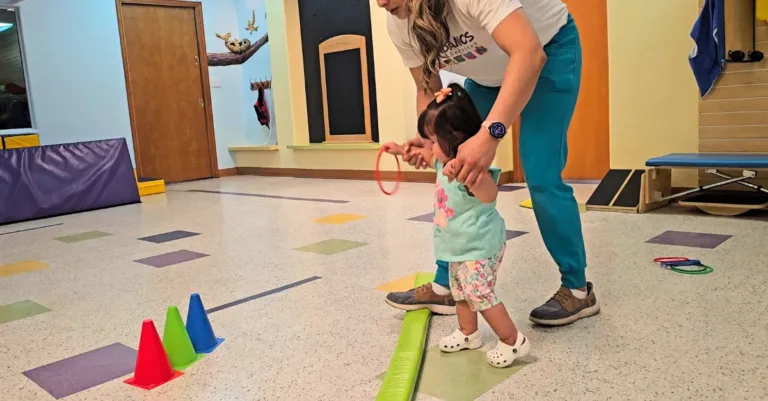
The strategies utilized at Esperanza Children’s Therapy are designed to help children manage and respond to sensory input in a supportive and engaging environment. Our clinics feature specialized sensory and motor gyms that encourage safe exploration, promote movement, balance, and coordination, and offer a fun, structured space for regulation and development.
For children with oral sensitivities, we provide feeding therapy led by Sequential-Oral-Sensory (SOS) trained therapists. This approach gently supports children with sensory-based feeding difficulties through a safe, gradual process.
We also believe in the power of family involvement. Our observation rooms allow parents to watch therapy sessions, learn effective strategies, and learn techniques they can practice at home, helping to reinforce their child’s progress beyond the clinic.
To serve our diverse community, our bilingual staff offers services in both English and Spanish, ensuring every family feels welcome and respected. Additionally, our team is trained in Safety-Care Crisis Prevention, which allows us to maintain a calm, emotionally supportive environment, especially for children who may feel overwhelmed or dysregulated. At Esperanza, we’re here to help your child feel understood, supported, and empowered to thrive.
 English
  Spanish