
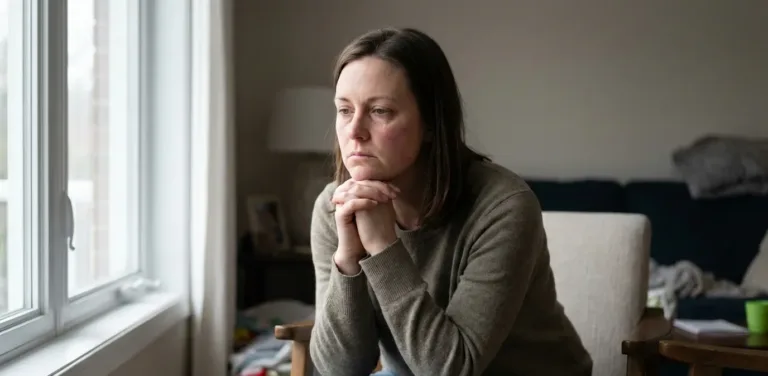
Anxiety affects people across all ages, backgrounds, and communities. In New Mexico, the need for mental health support has become increasingly clear as more adults report ongoing stress, worry, and emotional overwhelm.
According to Kaiser Family Foundation (KFF) data from 2023, approximately 36% of adults in New Mexico reported symptoms of anxiety or depressive disorders. This statistic highlights how common anxiety has become—and why accessible, compassionate counseling is essential for individuals and families across the state.
In communities like Las Cruces, therapy offers an important path toward understanding anxiety and developing tools to manage it effectively.
What Is Anxiety?
Anxiety is a natural response to stress, but when it becomes persistent or overwhelming, it can interfere with daily life. Anxiety disorders may involve excessive worry, fear, or nervousness that does not easily go away. Common forms of anxiety include:
- Generalized anxiety
- Panic attacks
- Social anxiety
- Health-related anxiety
- Trauma-related anxiety
Left unaddressed, anxiety can impact relationships, work, physical health, and overall quality of life.
Common Signs of Anxiety
Anxiety can affect both the mind and body. Symptoms may include:
- Constant worry or racing thoughts
- Restlessness or feeling on edge
- Trouble sleeping
- Difficulty concentrating
- Muscle tension or headaches
- Rapid heartbeat or shortness of breath
- Avoidance of certain situations
- Irritability or emotional exhaustion
Many people normalize these symptoms, but ongoing anxiety deserves attention and care.
Why Anxiety Rates Are Rising in New Mexico
Several factors may contribute to higher anxiety levels across New Mexico, including:
- Economic stress and cost-of-living concerns
- Limited access to healthcare in rural areas
- Workplace and caregiving pressures
- Ongoing effects of the COVID-19 pandemic
- Trauma, grief, or community stress
- Social isolation or lack of support
How Therapy Helps Manage Anxiety
Counseling provides structured, evidence-based support to help individuals understand anxiety and reduce its impact. Therapy may help by:
- Identifying anxiety triggers
- Teaching grounding and relaxation techniques
- Challenging unhelpful thought patterns
- Improving emotional regulation
- Building coping skills for stress
- Addressing underlying trauma or grief
Many people in Las Cruces seek therapy not because anxiety is severe, but because they want tools to feel calmer, more focused, and more in control.
Anxiety Support in Las Cruces
Local access to counseling can make a meaningful difference. Therapy in Las Cruces offers individuals:
- A safe, confidential space to talk openly
- Support tailored to cultural and community needs
- Flexible scheduling, including telehealth options
- Strategies that fit real-life responsibilities
Early support can prevent anxiety from becoming more intense and help individuals regain balance sooner.
When to Seek Help
You may benefit from counseling if anxiety:
- Interferes with work, school, or relationships
- Feels constant or difficult to control
- Affects sleep, appetite, or physical health
- Leads to avoidance or isolation
- Feels exhausting or overwhelming
Reaching out is not a sign of weakness, it’s a step toward stability and well-being.
How to Get Started
If anxiety is affecting your life, support is available. To begin:
- Call (575) 652-3448
- Choose in-person or telehealth sessions
- Meet with a licensed counselor
- Create a plan focused on managing anxiety and restoring balance
Small steps can lead to meaningful change.
Additional Resources
- Kaiser Family Foundation – Mental Health: https://www.kff.org/mental-health/
- National Institute of Mental Health – Anxiety Disorders: https://www.nimh.nih.gov/health/topics/anxiety-disorders
- Mental Health America – Anxiety Information: https://mhanational.org/anxiety


 English
  Spanish